The First 48 Hours After Water Damage: A Guide for Queen Creek Homeowners
Queen Creek · Community Photo
Water damage rarely arrives with a warning. A supply line bursts under a sink, a water heater gives out in the garage, or a late-season storm finds a weak spot in the roof. For homeowners in Queen Creek, the steps taken in the first 48 hours often decide whether the result is a manageable repair or a much larger restoration project.
Why Speed Matters So Much
The U.S. Environmental Protection Agency recommends drying water-damaged materials within 24 to 48 hours to help prevent mold growth. Drywall, carpet padding, insulation, and wood absorb water quickly, and moisture can travel well beyond the area you can see. Even in Arizona's dry air, water trapped inside walls or under flooring will not evaporate on its own fast enough. Quick action limits how much material has to be removed later.
Step One: Stop the Water and Stay Safe
If the source is plumbing, shut off the main water valve, and learn where that valve is before you ever need it. If water is near outlets, appliances, or the electrical panel, turn off power to the area or call a professional before stepping in. Avoid using fans until you know whether the water is clean, since water from sewage or flooding can carry contaminants. Your safety comes before any cleanup.
Step Two: Document Everything
Before moving furniture or pulling up flooring, take photos and video of the damage, including the source of the leak if you can see it. Keep damaged items until your insurance company has had a chance to review them, and save receipts for emergency supplies or repairs. Clear records make the claims process smoother. They also help a restoration contractor understand the full scope of the problem.
Step Three: Start Drying and Call for Help
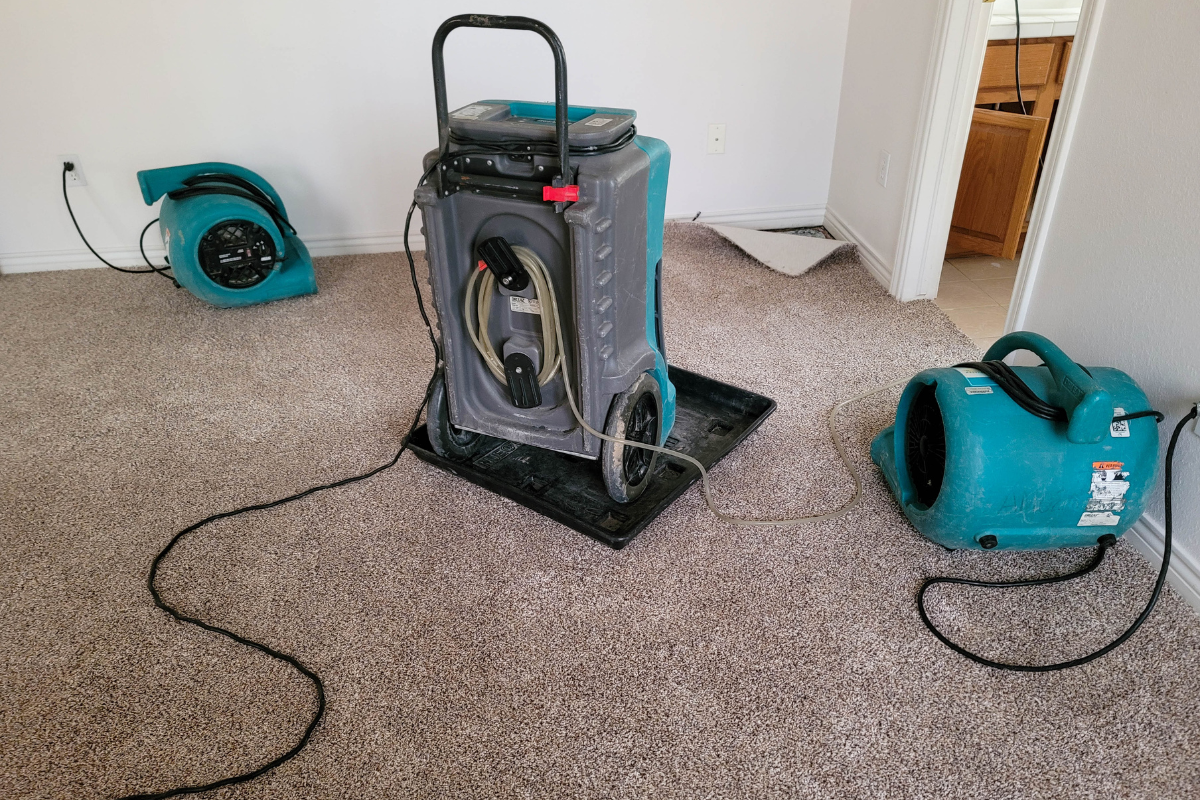
Remove standing water with towels or a wet vacuum, and move furniture, rugs, and valuables to a dry area. Professional restoration crews use commercial dehumidifiers, air movers, and moisture meters to find water hidden behind walls and under floors. Materials that have been wet for more than 48 hours, or that already show mold, may need to be removed rather than dried. A professional assessment helps you avoid tearing out more than necessary, or less than you should.
Understanding the Insurance Question
Not every water event needs to become an insurance claim. Smaller, contained damage may cost less to repair out of pocket than your deductible and the potential premium impact of filing. A complimentary assessment from a restoration company can help you weigh those options before calling your insurer. When a claim does make sense, a contractor who works with all carriers can coordinate directly with your adjuster.
A Local Team Ready Around the Clock
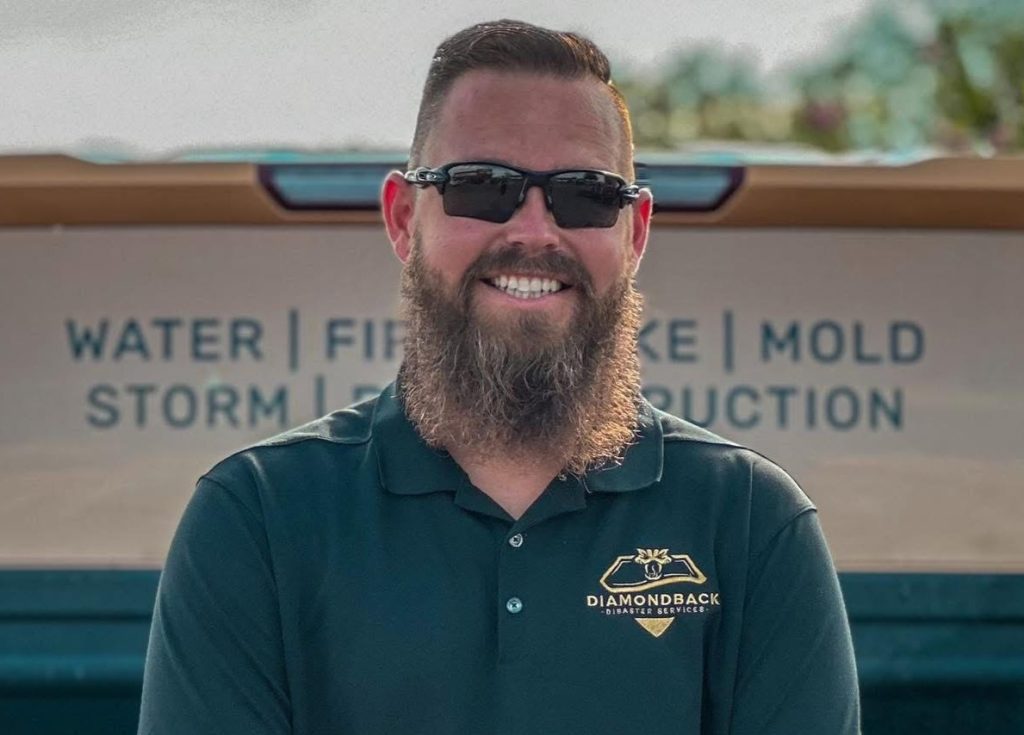
Diamondback Disaster Services is a full-service restoration contractor based in Mesa, serving Queen Creek and nearby communities with 24/7 availability. The team brings more than 15 years of combined restoration and project management experience and handles water, fire and smoke, storm, and mold damage, along with full reconstruction. The company offers a complimentary assessment to help homeowners decide whether to involve insurance, works with all insurance carriers, and holds Arizona ROC license 337224. Having one company manage everything from drying to rebuild helps reduce the time families spend displaced.
Prepare Before It Happens
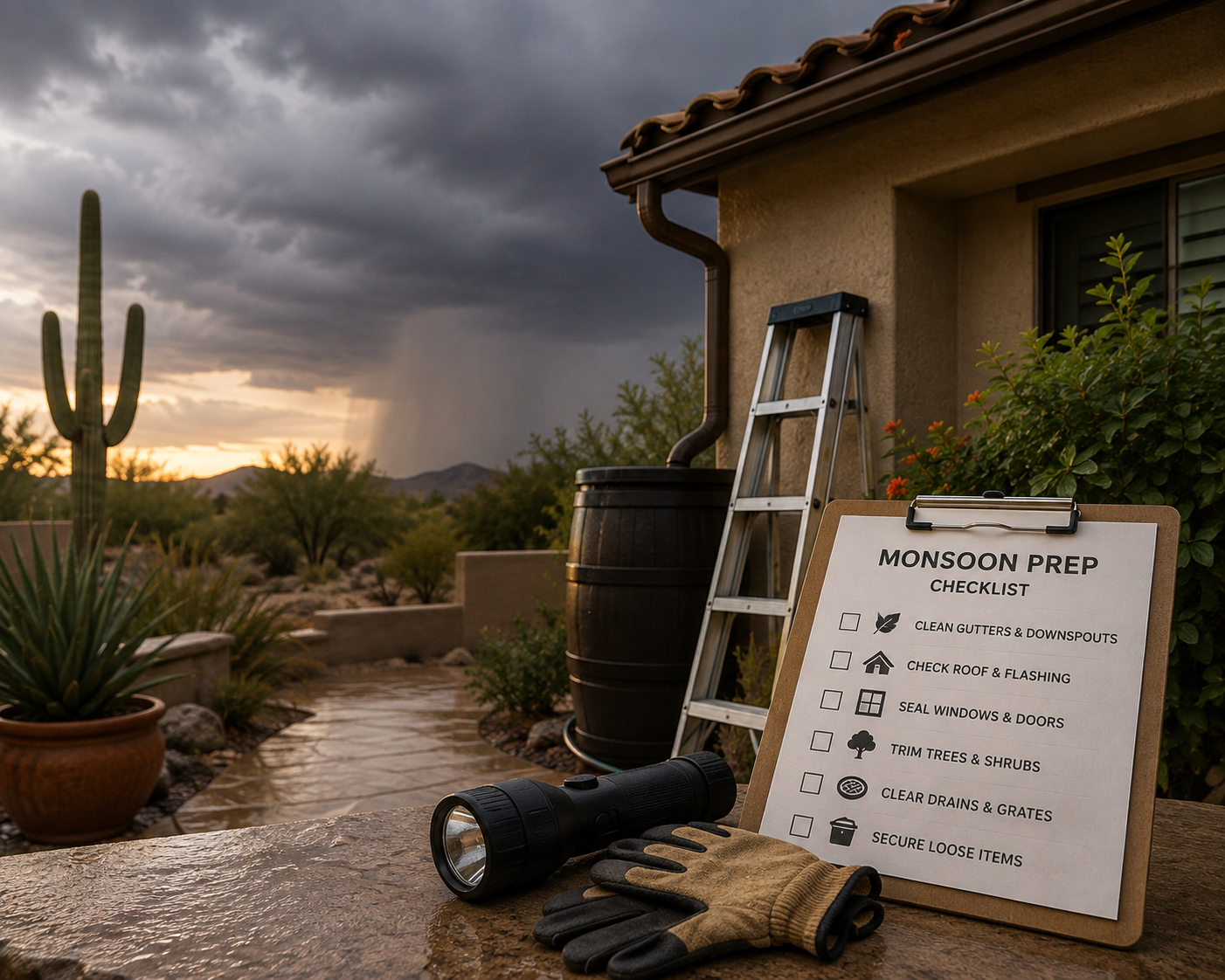
Take a few minutes this season to locate your main water shutoff, check the age of your water heater, and inspect supply lines under sinks and behind appliances. Save a restoration contractor's number in your phone. When water shows up where it should not, being ready makes all the difference.
Dealing with water, fire, or storm damage? Learn more about Diamondback Disaster Services on Discover Queen Creek.
Visit Diamondback Disaster Services for 24/7 help and a complimentary assessment.
Sources: diamondbackdisasterservices.com, epa.gov