Monsoon Prep: Getting Your Home Ready Before the Storm

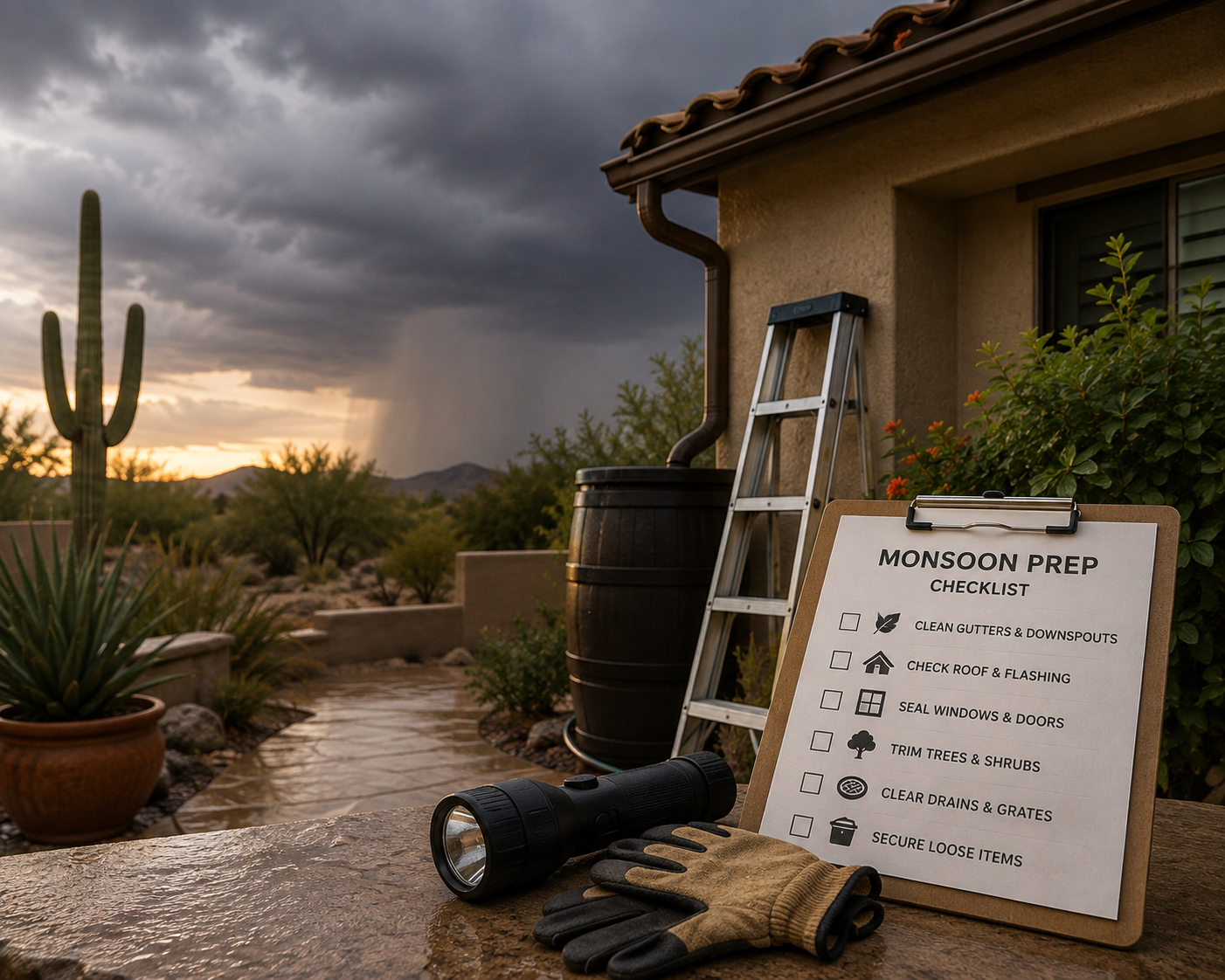
Queen Creek · Community Photo
Monsoon season has a personality all its own. Weeks of nothing, then a wall of dust rolls in, the wind picks up, and several inches of rain arrive in an hour. Then it's over, and you find out what your home can handle.
The homes that come through fine usually aren't lucky. They're the ones where somebody did a few unglamorous things in advance. Here's what actually helps.
Water has to go somewhere
Almost every monsoon problem is a drainage problem. When rain arrives faster than your property can move it away, water goes where it can — which is often toward or into your house.
Check your grading. Stand outside and look at how the ground slopes near your foundation. It should fall away from the house. Over years, soil settles and landscaping changes, and slopes reverse without anyone noticing.
Clear your gutters and drains. Debris that seems harmless during dry months becomes a dam during a downpour.
Extend your downspouts. Water dumping right at the foundation is one of the most common and most fixable problems there is.
Watch where your landscaping sends water. Beds, hardscape, and pavers all redirect flow, sometimes right back toward the house.
Look up before the wind arrives
Roofs take the brunt. Before the season, check for cracked or slipped tiles, damaged or missing shingles, and worn sealant around anything that penetrates the roof — vents, pipes, skylights.
Small roof issues that don't matter in dry weather matter enormously when wind-driven rain hits them sideways.
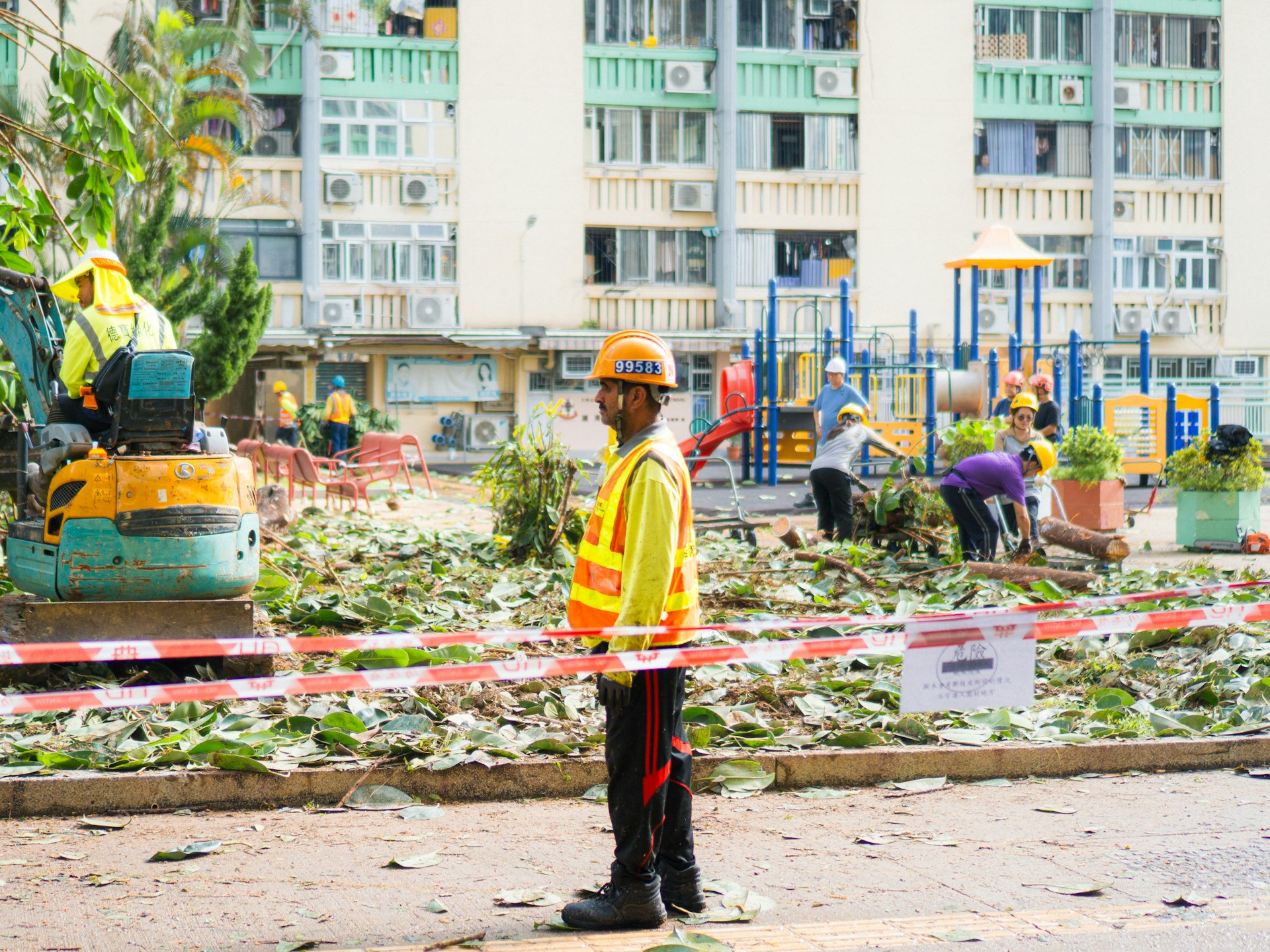
Also look at your trees. Dead or overhanging limbs near the house or power lines become projectiles in monsoon winds. Trimming them is cheap. Replacing a roof section isn't.
Secure what can move
Patio furniture, umbrellas, trampolines, shade sails, and anything lightweight can become airborne. When a storm is forecast, bring it in or tie it down. Damage from flying objects is entirely preventable.
Know your shutoffs
This is the one homeowners are most often unable to answer under pressure: where's the main water shutoff?
Find it now. Make sure it turns. Show everyone in the household. The same goes for your electrical panel. When something goes wrong, minutes matter, and hunting for a valve in the dark while water spreads is a bad way to spend them.
Prepare the boring documents
Before anything happens, take a video walkthrough of your home, room by room, and store it somewhere outside the house — cloud storage works. Photograph the exterior and roof.
Then read your insurance policy, or better, ask your agent to walk you through it. Understand what's covered, what your deductible is, and how water damage is treated in your specific policy. Flood damage in particular is often handled differently than people assume.
Ready.gov has practical guidance on preparing for severe weather, including building a basic emergency kit.
When water does get in, speed is everything
If damage happens, the clock starts immediately. Water spreads into walls, under flooring, and into places you can't see. Given warm temperatures and moisture, mold can begin developing within a day or two.
The steps: stay safe and avoid standing water near electrical hazards, stop the source if you can, document everything with photos before cleanup, and get professional drying started quickly.
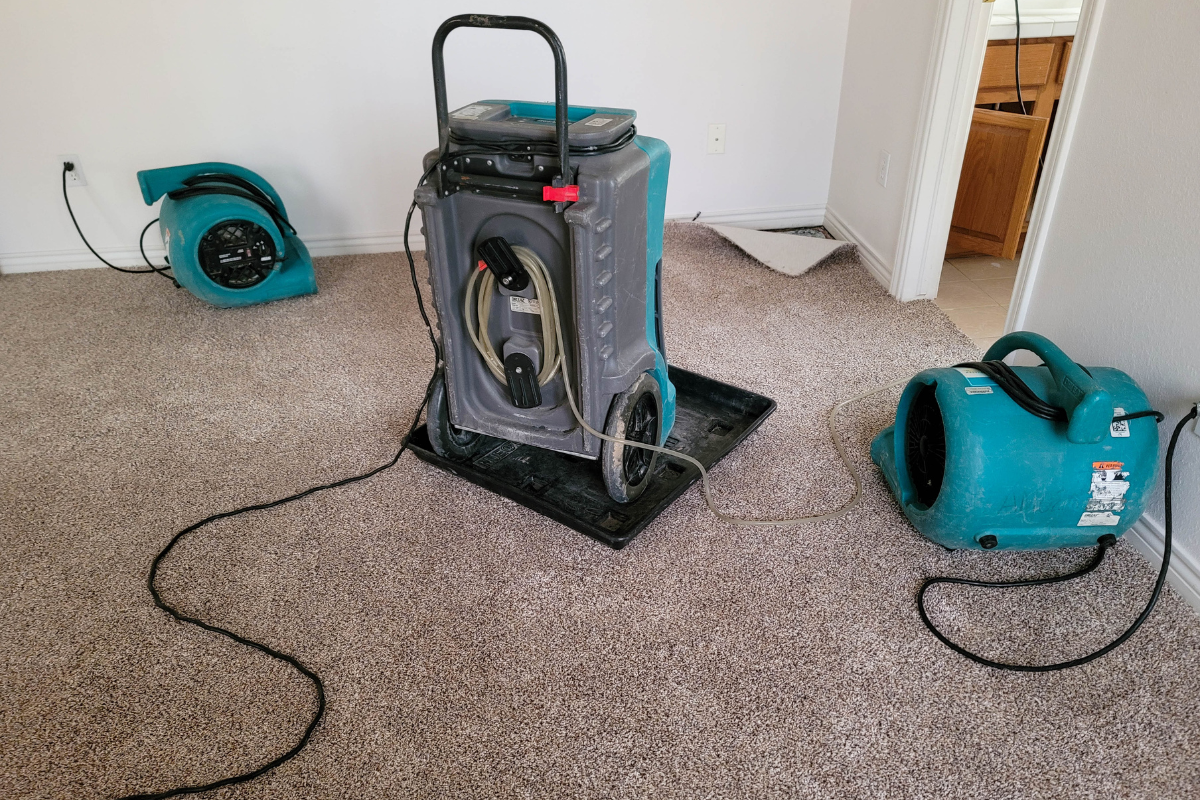
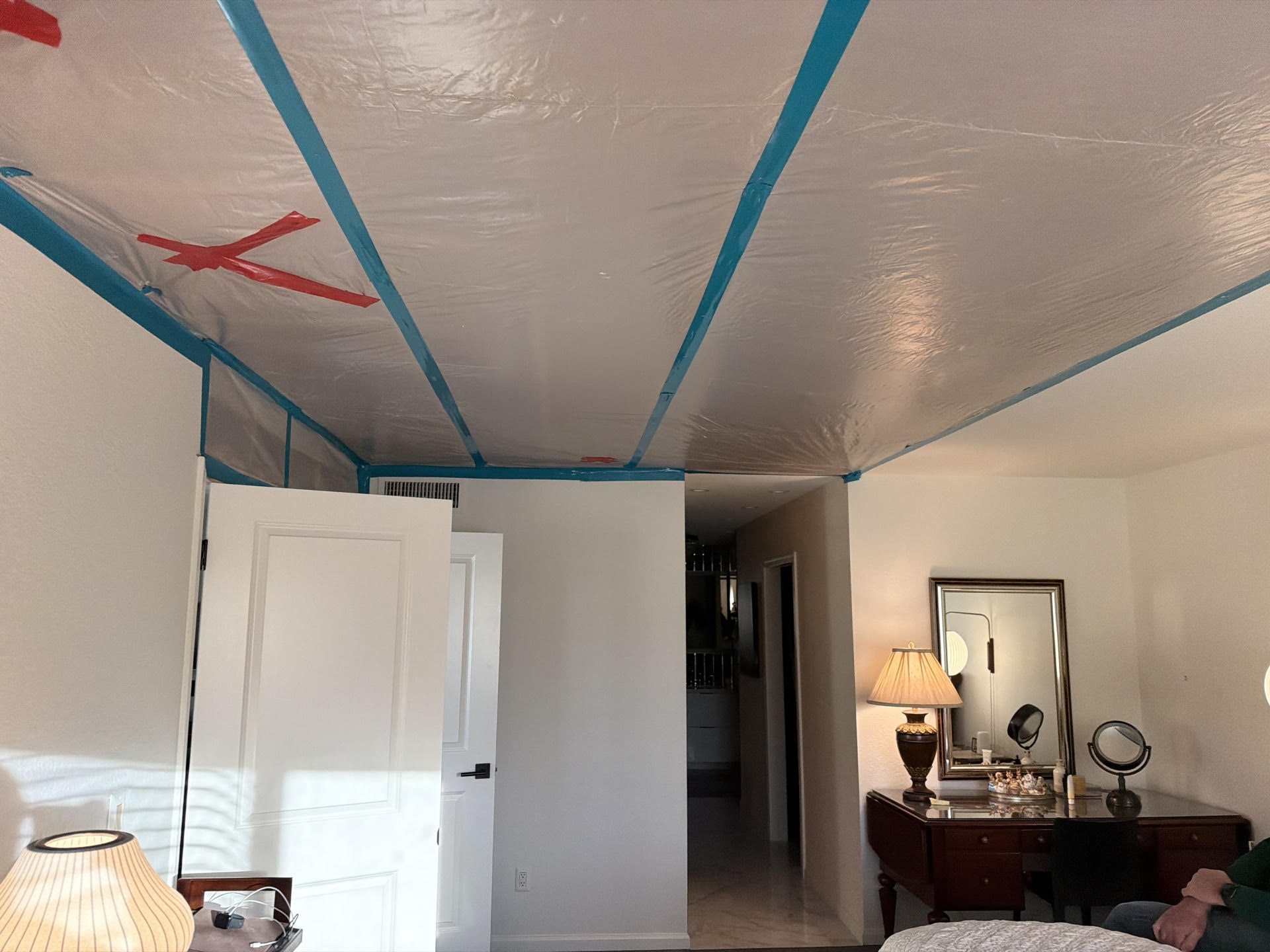
That last point matters most. Surfaces can feel dry while framing, subfloor, and wall cavities stay wet. Professional equipment and moisture meters find what towels and box fans can't. Skipping proper drying is how a water event becomes a mold problem months later.
Call sooner rather than later
People often wait, hoping it'll dry on its own. Restoration professionals will tell you the difference between an easy job and a hard one is almost always how many days passed.
Have a company's number saved before you need it. Deciding who to call while standing in an inch of water isn't when you make your best decisions.
Diamondback Disaster Services helps homeowners in the Queen Creek area with water, storm, and fire damage restoration.
A weekend of prep, a season of peace
Clear the gutters. Extend the downspouts. Check the grading and the roof. Trim the trees. Find the shutoff. Record the video.
None of it is exciting. All of it is cheaper than the alternative.
Get in touch Diamondback Disaster Services — Kolton Myers Website: https://diamondbackdisasterservices.com/ Email: kolton@diamondbackds.com
Helpful links
- Ready.gov severe weather preparedness: https://www.ready.gov/severe-weather
- Diamondback Disaster Services: https://diamondbackdisasterservices.com/