Tile Roof Underlayment and Post-Monsoon Roof Checks in Queen Creek
Tile roofs can outlast their underlayment by decades. Here's why a post-monsoon roof check matters for Queen Creek homeowners.

Queen Creek · Community Photo
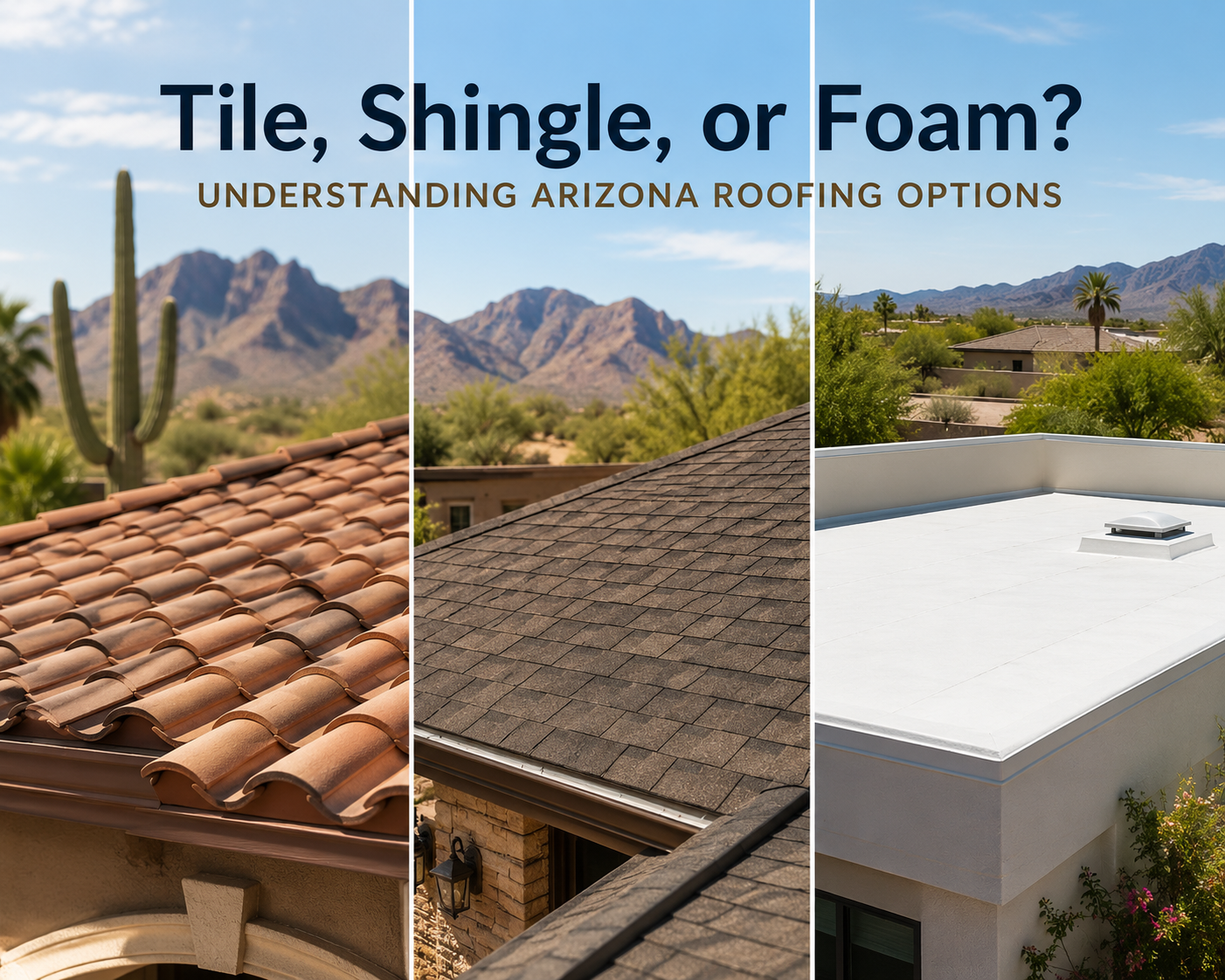
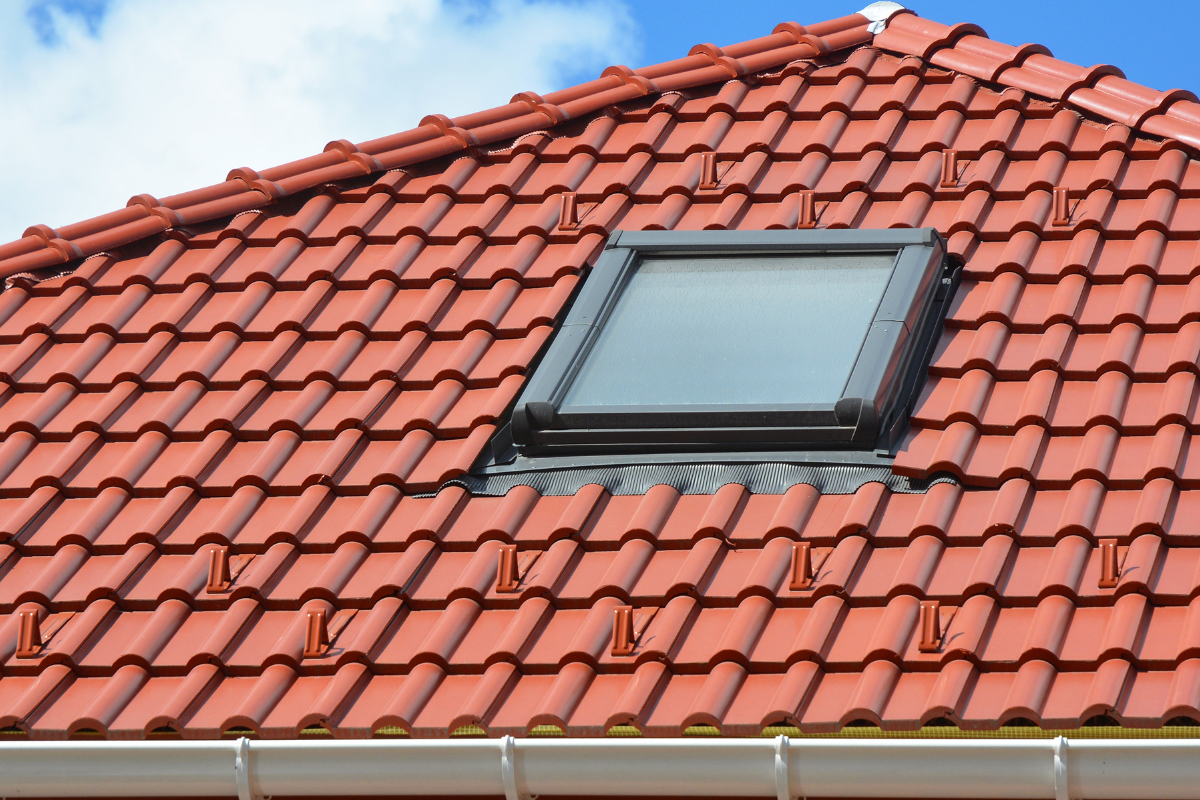
Concrete and clay tile roofs are everywhere in Queen Creek, and they stand up well to the desert sun. What many homeowners do not realize is that the tile itself is not what keeps water out of the house. That job belongs to the underlayment beneath it, and after a summer of intense heat and monsoon storms, fall is the ideal time to make sure it is still doing its job.
The Layer You Cannot See
Roof tiles can last 50 years or more, but the felt underlayment beneath them is the real weatherproof barrier. In the Arizona climate, that underlayment typically lasts somewhere between 8 and 20 years, depending on materials, installation quality, and exposure. Constant heat breaks it down over time, and once it fails, water that slips under the tile has nowhere to go but into the roof deck. That is why a tile roof that looks perfect from the street can still leak.
How Monsoon Season Stresses a Roof
Summer monsoon storms bring sudden wind gusts, heavy downpours, and sometimes hail. A single cracked or displaced tile can let wind-driven rain reach the underlayment and begin damaging it. Debris collected in valleys and around flashing can also redirect water where it does not belong. After storm season ends, a professional inspection can catch these small problems before winter rains arrive.
Signs Your Roof Needs Attention
Water stains on ceilings, musty odors in the attic, and cracked, slipped, or missing tiles are all reasons to call a roofer. Debris collecting in gutters and at downspouts can also point to wear. Homeowners should resist the urge to walk on a tile roof themselves, since foot traffic can crack tiles and create new entry points for water. A trained inspector knows where to step and what to look for.
Repair, Refelt, or Replace
Not every roof problem calls for a full replacement. Broken tiles can often be swapped out as routine maintenance, and when the underlayment reaches the end of its life, a refelt lifts the existing tile, installs new underlayment, and resets the tile in place. Because the tile usually has years of life left, this approach can restore the roof's protection for a fraction of the cost of all-new materials. Flat or low-slope sections may also be candidates for restoration and recoating systems.
Roof Reports for Buyers and Sellers
Many of Queen Creek's earlier subdivisions are now old enough that original roofs are approaching underlayment age. For buyers, a roof inspection during the due diligence period clarifies what a home will need in the next few years. Arizona's Buyer's Inspection Notice and Seller's Response, known as the BINSR, is the standard document for requesting repairs, and a detailed roof report gives both sides clear information to work from. Sellers can also benefit from an inspection before listing so they can address issues on their own terms.
A Locally Trusted Roofer
State 48 Roofing has served Arizona's residential and commercial markets for more than a decade and was voted Best of the Valley in 2023 and 2024. The company handles maintenance, repairs, replacements, refelts, and restore and recoat systems, and it offers complimentary inspections along with roof inspection and BINSR reports. State 48 Roofing is licensed, bonded, and insured under Arizona ROC license 325352. Before hiring any roofer, you can verify a license through the Arizona Registrar of Contractors.
Plan Ahead Instead of Reacting
A fall roof check is a small step that can prevent a big repair. Knowing the age and condition of your underlayment lets you budget for the future instead of scrambling after a leak during the next storm.
Want to know where your roof stands after monsoon season? Learn more about State 48 Roofing on Discover Queen Creek.
Visit State 48 Roofing to request a free quote.
Sources: state48roofing.com, rosieonthehouse.com, thisistucson.com