Tile, Shingle, or Foam? Understanding Arizona Roofing Options

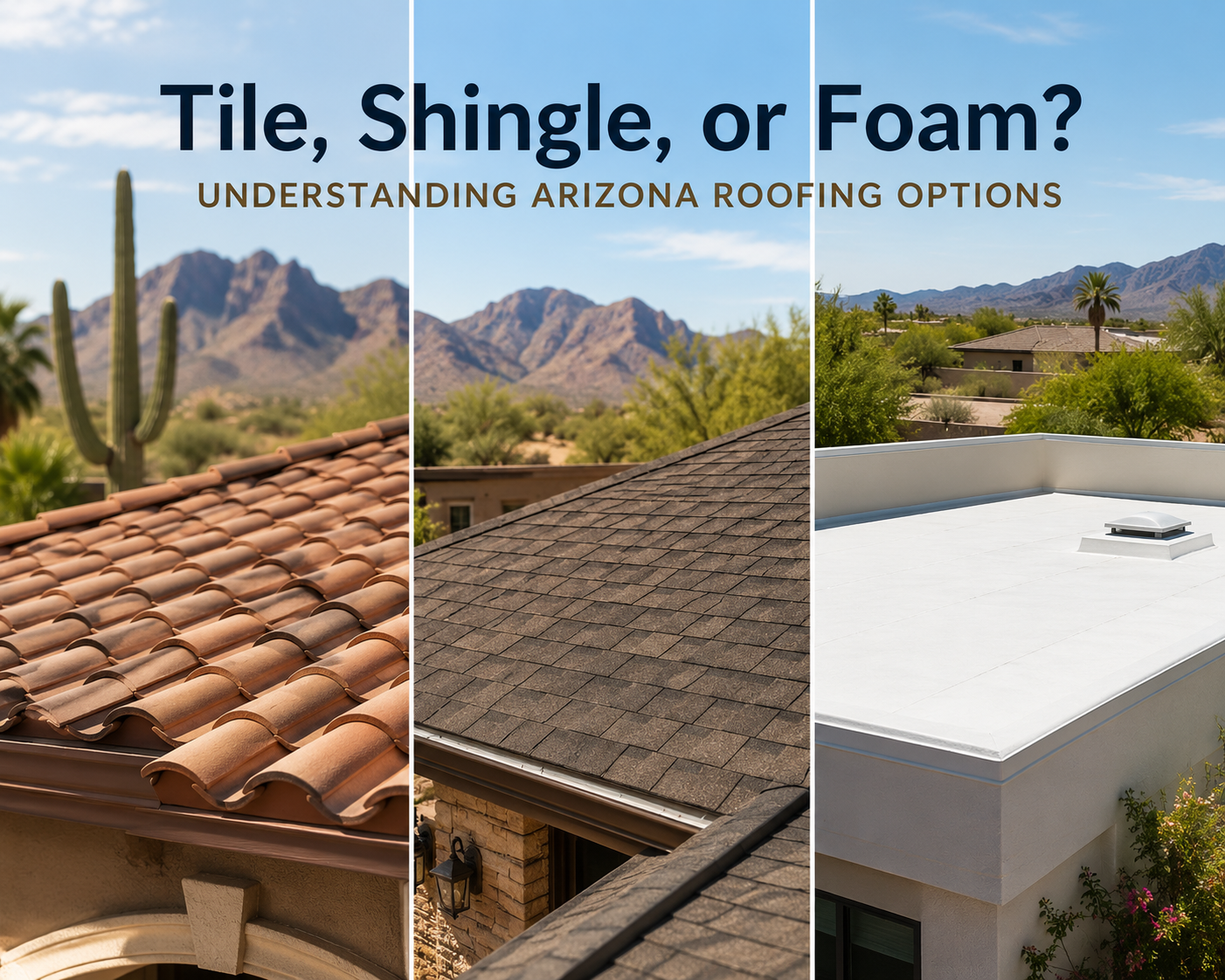
Queen Creek · Community Photo
Drive through Queen Creek and you'll see three main types of roof, and most homeowners have only a vague sense of the differences. That's fine right up until you need to replace one, at which point the choice matters quite a bit.
Each type behaves differently in our climate, costs differently, and needs different maintenance. Here's a plain-language look.
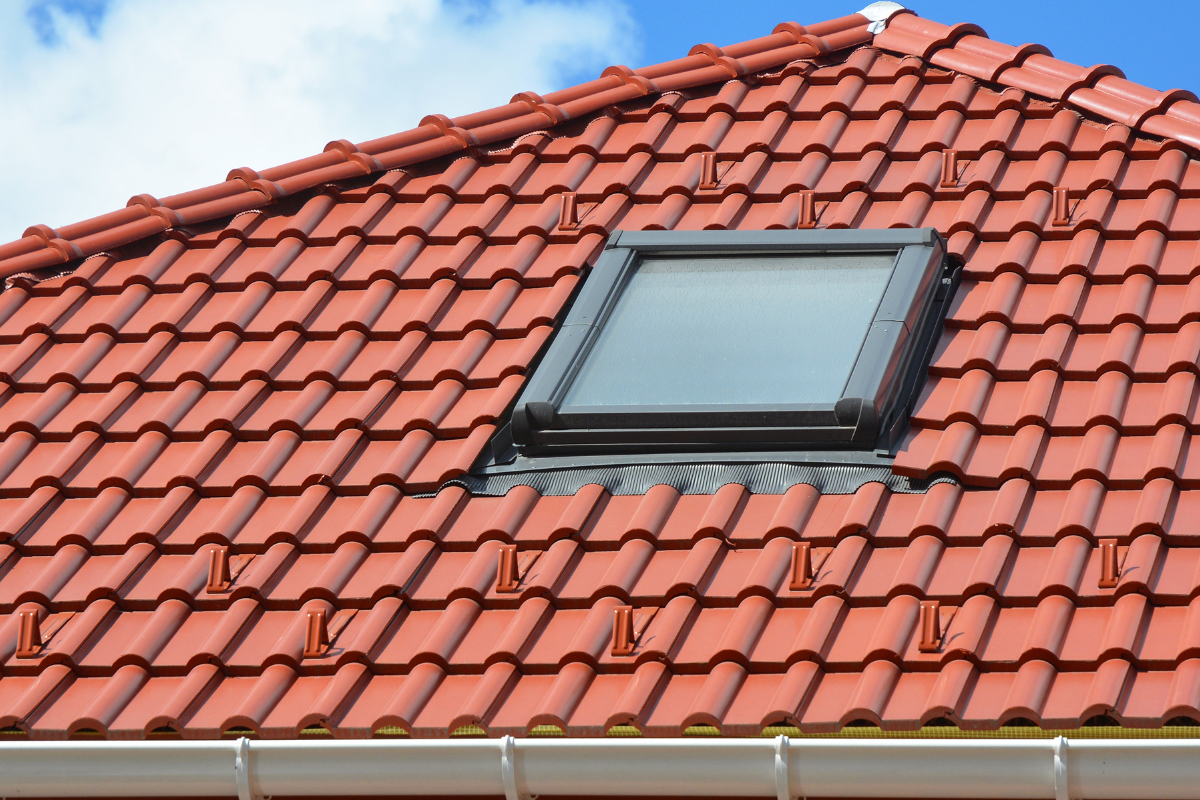
Tile roofs
Tile is everywhere in Arizona, and for good reason. It handles intense sun well, doesn't degrade under UV the way some materials do, and can last a very long time.
Here's the part most homeowners don't know: the tile is not what keeps water out. Underneath the tile is an underlayment, and that underlayment is the actual waterproof barrier. The tile primarily protects the underlayment from sun and weather.
This matters enormously, because underlayment has a much shorter lifespan than tile. Many Arizona homes reach a point where the tile is still perfectly good but the underlayment has failed. The repair involves removing tile, replacing the underlayment, and reinstalling the same tile.
Homeowners are frequently surprised by this. If your tile roof is aging and you've never had the underlayment addressed, that's the question to ask.
Tile is also heavy, which means the structure has to be built for it, and individual tiles can crack — often from someone walking on the roof incorrectly.
Shingle roofs
Asphalt shingles are common, familiar, and generally the most affordable option upfront. They come in many styles and are straightforward to repair.
The tradeoff in our climate is sun. Intense UV and extreme heat are hard on asphalt. Shingles here often don't reach the lifespan they'd achieve in a milder climate. You may notice granules collecting in gutters, or shingles becoming brittle, curling, or cracking over time.
Quality varies significantly. Better shingles hold up notably longer, which matters more here than in gentler climates.
Foam roofs
Spray polyurethane foam is common on flat and low-slope roofs, which are a big part of the Arizona landscape.
Foam is applied as a seamless layer, which is a real advantage — seams are where roofs typically leak. It also provides insulation value, which can help with cooling costs.
The critical thing about foam is the protective coating on top. That coating shields the foam from UV, and it needs to be recoated periodically. Foam roofs that are maintained and recoated on schedule can last a very long time. Foam roofs that are neglected fail, because once UV reaches the foam itself, it deteriorates.
If you have a foam roof, knowing when it was last coated is essential information.
Choosing between them
The right answer depends on your roof's slope and structure, your budget, how long you plan to stay, and what's already there. Homes designed for tile often stay tile. Flat sections usually call for foam or another flat-roof system.
A trustworthy roofer will discuss the tradeoffs honestly rather than steering you toward one option regardless of your situation.
What every Arizona roof needs
Whatever type you have:
- Periodic professional inspection, especially after significant storms.
- Attention to flashing and penetrations, where most leaks actually begin.
- Clear drainage, since standing water is a roof's enemy.
- Nobody walking on it casually, particularly tile.
- Prompt repair of small issues, which is where all the savings live.
Signs it's time to look
Water stains inside, visible cracked or missing material, granules in gutters, sagging areas, daylight visible in the attic, or a roof that's simply reached an age where nobody's checked it in years.
How long each type tends to last
Homeowners always want a number, and the honest answer is that it depends heavily on quality of installation, maintenance, and exposure. But some general patterns hold here.
Tile itself can last for decades, while the underlayment beneath it typically needs attention well before the tile does. Asphalt shingles in our climate often fall short of the lifespan advertised for milder regions, so plan accordingly. Foam roofs can last a very long time when recoated on schedule and fail early when they aren't.
The practical takeaway is the same for all three: lifespan depends far more on maintenance than on the material you chose.
The National Roofing Contractors Association offers homeowner guidance worth reviewing.
State 48 Roofing serves homeowners throughout the Queen Creek area with inspections, repairs, and replacements.
Know what's over your head
Most homeowners couldn't say what type of roof they have, how old it is, or when it was last serviced. That's understandable — it's out of sight.
But it's also the single component standing between the Arizona sun, the monsoon rain, and everything you own. Learning what you have and what it needs is a modest effort that protects a great deal.
Get in touch State 48 Roofing — Dory Harrington Website: https://state48roofing.com/ Email: dory@state48roofing.com
Helpful links
- Homeowner roofing resources (NRCA): https://www.nrca.net/
- State 48 Roofing: https://state48roofing.com/